Wholesale Products


Revlon ColorStay Foundation for Combination Skin
- PV-REVCOMCOLORSTAY
- Case
- Manifested
- Master Case
- A La Carte Cosmetics

Revlon ColorStay Face + Body Glow Lotion
- PV-COLORSTAYBRONZE
- Case
- Manifested
- Master Case
- A La Carte Cosmetics
- New Arrivals

TGT Premium Customer Return Loads
- LOAD-TGTPREM
- Load
- Manifested
- Customer Returns

Revlon Super Lustrous Lipstick
- PV-REVLIPSTICKLUS
- Case
- Manifested
- Master Case
- A La Carte Cosmetics

Revlon ColorStay Limitless Matte Liquid Lipstick
- PV-REVLIMITLESSLIP
- Case
- Manifested
- Master Case
- A La Carte Cosmetics

Revlon PhotoReady Rose Glow Mist Face Primer
- PV-REVMIST
- Case
- Manifested
- Master Case
- A La Carte Cosmetics

Revlon PhotoReady Eye Contour Kit – 5 Shades with Brush
- PV-REVEYECONTOUR
- Case
- Manifested
- Master Case
- A La Carte Cosmetics

Revlon ColorStay Full Cover Foundation
- PV-REVCOLORSTAYFOUN
- Case
- Manifested
- Master Case
- A La Carte Cosmetics

Revlon ColorStay Cream Eyeshadow
- PV-REVCREAMSHADOW
- Case
- Manifested
- Master Case
- A La Carte Cosmetics

Hats | New Overstock Manifested Pallets & Case Packs
- SIEL-LN-HATS
- Manifested
- New Overstock
- Program - Manifested

Tie Dye T Shirts | New Overstock Pallets
- SIEL-LN-TSHIRTS
- Load
- Manifested
- New Overstock
- Program - Manifested
- Make An Offer

Revlon Professional & Bold Sinful Colors Nail Polish
- PV-LN-SINFUL
- Pallet
- Manifested
- Master Case
- Program - Manifested
- Listing Updated

Assorted In Box TGT Shoes
- TGT-SHOE-PAL
- Pallet
- Unmanifested
- New Overstock
- Single & Multi Pallet

Jewelry | New Overstock Partially Manifested Case Packs
- PLDE-LN-ACC
- Case
- Manifested
- New Overstock
- Program - Manifested

ZAP Shelf-Pull or Customer Returns | Shoes, Clothing and Clothing Accessory Loads
- LOAD-ZAP
- Load
- Manifested
- Shelf Pulls
- Volume Discount

Revlon Super Lustrous Glass Shine Lipcolor
- PV-REVSHINELIP
- Case
- Manifested
- Master Case
- A La Carte Cosmetics

3.4oz 100ml Philea bottles for Men OR Women | New Overstock Manifested Case Packs
- KADO-LN-CS
- Case
- Manifested
- New Overstock
- Program - Manifested
- Volume Discount

Revlon Volcanic Stone Roller
- PV-REVVOLCANIC
- Case
- Manifested
- Master Case
- A La Carte Cosmetics

Revlon ColorStay Satin Ink Lip
- PV-REVSATINLIP
- Case
- Manifested
- Master Case
- A La Carte Cosmetics

Blank Hats | New Overstock Assorted Case Packs
- AUCO-LN-HATSCS
- Case
- Partially Manifested
- New Overstock
- Assorted Case Pack

K Beauty | New Overstock Manifested Case Packs
- JIMO-LN-CS
- Case
- Manifested
- New Overstock
- Program - Manifested
- Volume Discount

Revlon Professional and bold sinful colors nailpolish
- PV-REVSINFULPRONAIL
- Case
- Manifested
- Master Case
- A La Carte Cosmetics

Revlon Ultra HD Snap Nail Polish
- PV-REVHDPOLISH
- Case
- Manifested
- Master Case
- A La Carte Cosmetics

Max XL Large Rotating Shoe Rack Tower
- AFOY-LN-TOWER
- Manifested
- New Overstock
- Program - Manifested

New Overstock TGT Apparel Loads
- LOAD-TGTAPP
- Load
- Unmanifested
- New Overstock

Revlon Colorstay Matte Light Crayon Lip Liner
- PV-REVMATTECRAYON
- Case
- Manifested
- Master Case
- A La Carte Cosmetics

Revlon Colorstay Foundation, Normal to Dry Skin
- PV-REVCOLORSTAY
- Case
- Manifested
- Master Case
- A La Carte Cosmetics

WYF Wholesale Furniture & Home Goods
- LOAD-WYF
- Load
- Manifested
- Customer Returns
- Program - Manifested

Core Camping & Outdoor Equipment | Manifested Loads
- BWM-CORE
- Pallet
- Manifested
- Customer Returns
- Program - Manifested

Assorted Chefman Small Kitchen Appliance Loads
- BWM-CHEF
- Load
- Manifested
- Customer Returns
- Program - Manifested

Mixed Brand Cosmetics | Shelf Pull Unmanifested Case Packs
- CARA-LN-MB
- Case
- Unmanifested
- Shelf Pulls
- Assorted Case Pack
- Currently Sold Out
- Volume Discount

Assorted New Overstock L'Oreal, NYX, Garnier & Maybelline Cosmetics
- LOREAL-MIX
- Case
- Partially Manifested
- New Overstock

Revolution Pore Vanish Prime Mist
- PV-RVPORE
- Case
- Manifested
- Master Case
- A La Carte Cosmetics

Covergirl Shelf Pulls Unmanifested Case Packs
- CARA-LN-COVCS
- Case
- Unmanifested
- Shelf Pulls
- Assorted Case Pack

Blank Hats | New Overstock Assorted Case Packs
- ROLO-LN-HATSCS
- Case
- Partially Manifested
- New Overstock
- Assorted Case Pack

Assorted Sports Clothing | Customer Returns Pallets
- JOTA-LN-SPORTSBIN
- Pallet
- Unmanifested
- Customer Returns
- Single & Multi Pallet
- Listing Updated
- New Arrivals

TGT - New Assorted Mixed Mastercase Loads
- LOAD-TGTMIX
- Load
- Unmanifested
- Master Case
- Program - Unmanifested
- New Listing
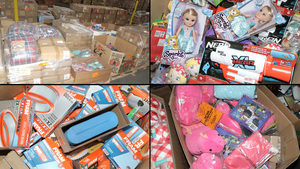
WM - New Overstock Small Lots
- LOAD-WMCM
- Load
- Manifested
- New Overstock
- New Listing
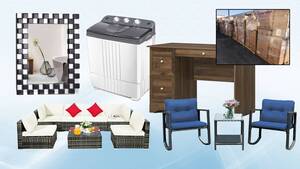
Costway | Customer Return Truckloads
- COSFOB
- Load
- Unmanifested
- Customer Returns
- Program - Unmanifested
- New Listing
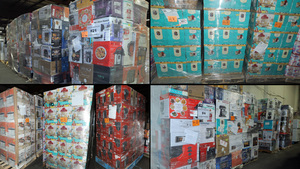
BWM Houseware Lots
- LOAD-BWMHSW
- Pallet
- Manifested
- Customer Returns
- Program - Manifested
- Some Lots On Sale
- New Arrivals
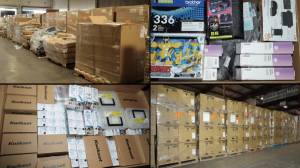
WMCOM & Stores Box Damage & New Overstock Clearance Program
- LOAD-WMCMDE
- Load
- Manifested
- New Overstock
- Program - Manifested
- Currently Sold Out

Assorted As-Is Unmanifested Clothing Pallets
- TWDO-LN-APPPAL
- Pallet
- Unmanifested
- Irregulars
- Single & Multi Pallet
- Currently Sold Out

HD Supply Scratch & Dent Appliances | Manifested Shelf Pull Loads
- REGI-LN-APP
- Load
- Manifested
- Customer Returns
- Program - Manifested
- Some Lots On Sale
- New Arrivals
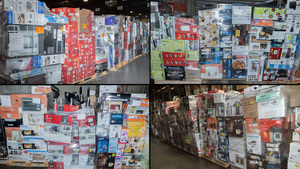
WM Small Kitchen Appliance Loads
- Load-WMK
- Load
- Manifested
- Customer Returns
- Program - Manifested
- Make An Offer

New Overstock Wireless Lamp Speaker System
- ISHA-LN-LAMPSPAL
- Pallet
- Manifested
- New Overstock
- Program - Manifested
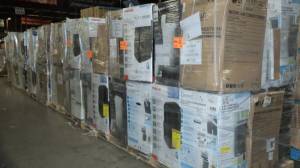
Portable Air Conditioners | Manifested Loads
- BWM-AC-LOT
- Pallet
- Manifested
- Customer Returns
- Program - Manifested
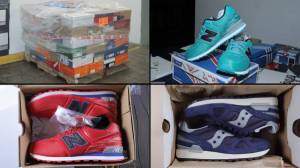
Branded In Box New Overstock Assorted Athletic Shoes
- JOTA-LN-ATHPAL
- Pallet
- Partially Manifested
- New Overstock
- Single & Multi Pallet
- New Arrivals
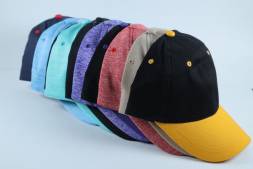
Blank Hats | New Overstock Partially Manifested Case Packs
- ROPO-LN-HATSCP
- Case
- Manifested
- New Overstock
- Program - Manifested
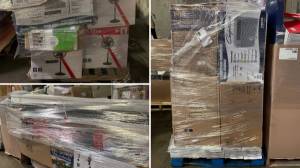
LWS Home Improvement Customer Return Loads
- LWS-XLOAD
- Load
- Unmanifested
- Customer Returns
- Program - Unmanifested
- New Arrivals
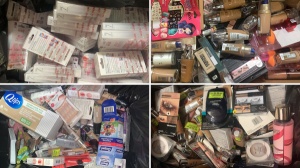
RA Manifested Cosmetic Lots
- LOAD-RACOSM
- Load
- Manifested
- Shelf Pulls
- Program - Manifested
- Currently Sold Out
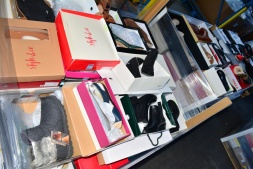
HE Department Store Shelf Pull Mostly Fall/Winter Women's Shoes - 125 pairs
- HE-SHOESFW
- Pallet
- Unmanifested
- Shelf Pulls
- Listing Updated
- Some Lots On Sale
- New Arrivals
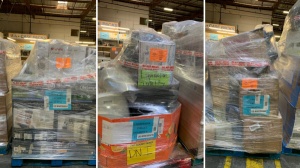
SMS Stores Liquidation Loads
- LOAD-SMSST
- Load
- Manifested
- Customer Returns
- Program - Manifested

Revlon Super Lustrous Lip Gloss
- PV-REVLG
- Case
- Manifested
- Master Case
- A La Carte Cosmetics
- Listing Updated
- Some Lots On Sale
- New Arrivals

AMZ Mostly Shelf-Pull Loads
- LOAD-AMZCL
- Load
- Manifested
- Customer Returns
- Program - Manifested
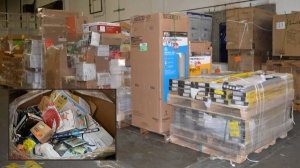
HD Department Store Assorted Tool & Hardware Loads
- LOAD-HDTRB
- Load
- Unmanifested
- Customer Returns
- Program - Unmanifested
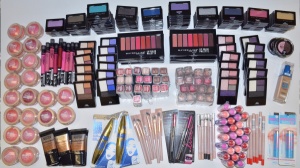
Pre-Packaged Cosmetic Lots
- LOAD-PPCOSM
- Load
- Manifested
- Master Case
- Program - Manifested
- Currently Sold Out
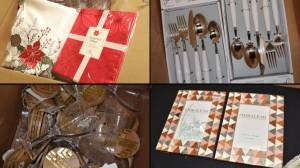
HE Department Store Assorted Table Top Lots
- Load-HE-TT
- LTL
- Manifested
- Shelf Pulls
- Program - Manifested
Cosmetics Order Form
- PV-ORDER
- Case
- Manifested
- Master Case
- A La Carte Cosmetics
100+ more single & multi pallet lots available in our Program Listings
- MOREPALLETS
- Case
- Manifested
- Single & Multi Pallet
- New Arrivals

THF Department Store Tool Loads
- LOAD-THF
- Manifested
- Customer Returns
- Program - Manifested
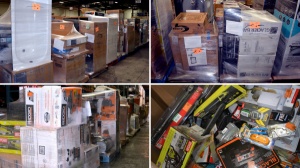
HD Department Store & .com Liquidation Loads
- LOAD-VHD
- Load
- Manifested
- Customer Returns
- Program - Manifested
- New Arrivals

WM Assorted Clothing and Accessory Loads
- LOAD-VWMAPP
- Load
- Unmanifested
- Customer Returns
- Some Lots On Sale
- New Arrivals
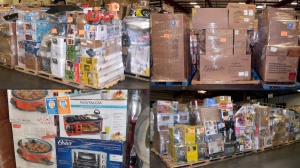
SMS.com Liquidation Loads
- LOAD-VSMS
- Load
- Manifested
- Customer Returns
- Listing Updated
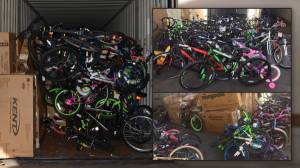
WM Department Store Return Bicycle Truckloads
- LOAD-VWMBICY
- Load
- Unmanifested
- Customer Returns
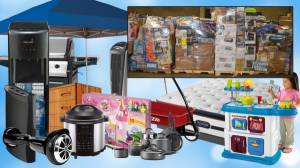
WM General Merchandise (Mostly Hardgoods) Loads
- Load-VWM
- Load
- Unmanifested
- Customer Returns
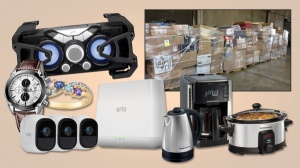
JCP Store Housewares & Home Goods Customer Return Lots
- Load-JCPDSHW
- Load
- Manifested
- Customer Returns
- Currently Sold Out

HE Department Store Shelf-Pull Kids Clothing Lots
- Load-HE-Kids
- Load
- Manifested
- Shelf Pulls
- Program - Manifested
À La Carte Cosmetics
- PV-MASTERCASE
- Case
- Manifested
- Master Case
- A La Carte Cosmetics
- Currently Sold Out

HE Department Store High End Bed & Bath Loads
- Load-HE-Bed
- Load
- Manifested
- Shelf Pulls
- Program - Manifested

HE Department Store Shelf-Pull Men's Casual Wear Lots
- Load-HE-Men
- Manifested
- Shelf Pulls
- Currently Sold Out
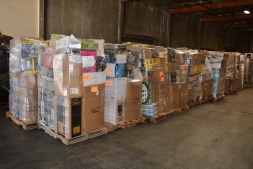
BV General Merchandise Loads
- Load-BV
- Load
- Manifested
- Customer Returns
- Program - Manifested
- Some Lots On Sale
- New Arrivals

HE Department Store High End Bed & Bath Loads
- Load-HECR-Bed
- Manifested
- Customer Returns
- Program - Manifested
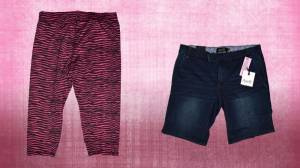
HE Women's Designer Clothing Loads
- Load-HE-DSGN
- Manifested
- Shelf Pulls
- Currently Sold Out
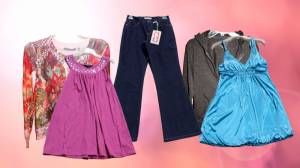
HE Department Store Shelf-Pull Women's Casual EveryDay Clothing Lots
- Load-HE-Mod
- Load
- Manifested
- Shelf Pulls
- Program - Manifested
- New Arrivals
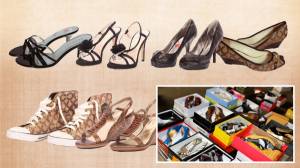
HE Department Store Shelf-Pull Women's Branded Shoe Lots
- Load-HE-Shoes
- Load
- Manifested
- Shelf Pulls
- New Arrivals

HE Department Store Shelf-Pull Junior's Clothing Lots
- Load-HE-Junior
- Load
- Manifested
- Shelf Pulls
- Program - Manifested
- New Arrivals

HE Department Store Shelf-Pull Women's Dresses & Suits Lots
- Load-HE-WD
- Load
- Manifested
- Shelf Pulls
- Program - Manifested
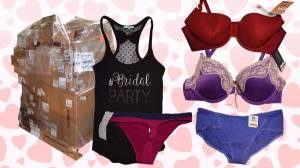
HE Department Store Shelf-Pull Branded & Designer Intimates & Sleepwear Lots
- Load-HE-Int
- Load
- Manifested
- Shelf Pulls
- Program - Manifested
- Volume Discount

Revlon Assorted New Overstock Cosmetic & Accessory Lots - 250 units
- REVLON2
- Case
- Partially Manifested
- New Overstock
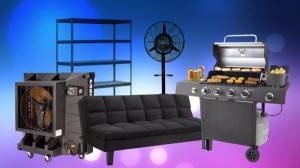
WM.COM Return Loads
- Load-WMCOM
- Load
- Manifested
- Customer Returns
- Program - Manifested
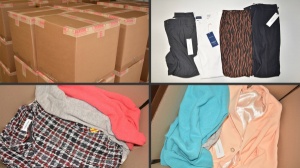
HE Department Store Assorted Everyday and Casual Women's Clothing
- HEMOD
- Case
- Unmanifested
- Shelf Pulls
- Assorted Case Pack

TGT Department Store Customer Return General Merchandise Loads
- Load-TGT
- Load
- Unmanifested
- Customer Returns
- Program - Unmanifested
- Some Lots On Sale
- New Arrivals
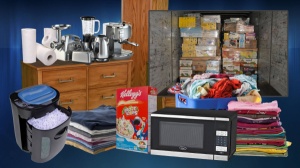
CTC Club Store Return General Merchandise Loads
- Load-CTC
- Load
- Manifested
- Customer Returns
- Program - Manifested